Evidence-informed guidance for experiences that are difficult to understand—and even harder to change.
Every resource in this library focuses on a specific psychological or behavioral pattern. The aim is to provide a precise explanation of what may be maintaining the difficulty, followed by structured tools that can support observation, reflection and practical change.
These materials are educational rather than diagnostic. They are designed to complement—not replace—appropriate medical or psychological care.
Choose according to the pattern you are experiencing, not the label you fear.
People often arrive at self-help resources after searching for a definitive label. A more useful starting point can be the pattern itself: what repeatedly happens, what tends to trigger it, what short-term function it serves and what consequences it creates. The resources below are organized around those observable experiences.
BEHAVIORAL HEALTH · HABIT & SELF-REGULATION
$27
Take Your Life Back
A structured, private program for understanding unwanted pornography habits, identifying the situations that maintain them and rebuilding a greater sense of choice through a guided 30-day process.
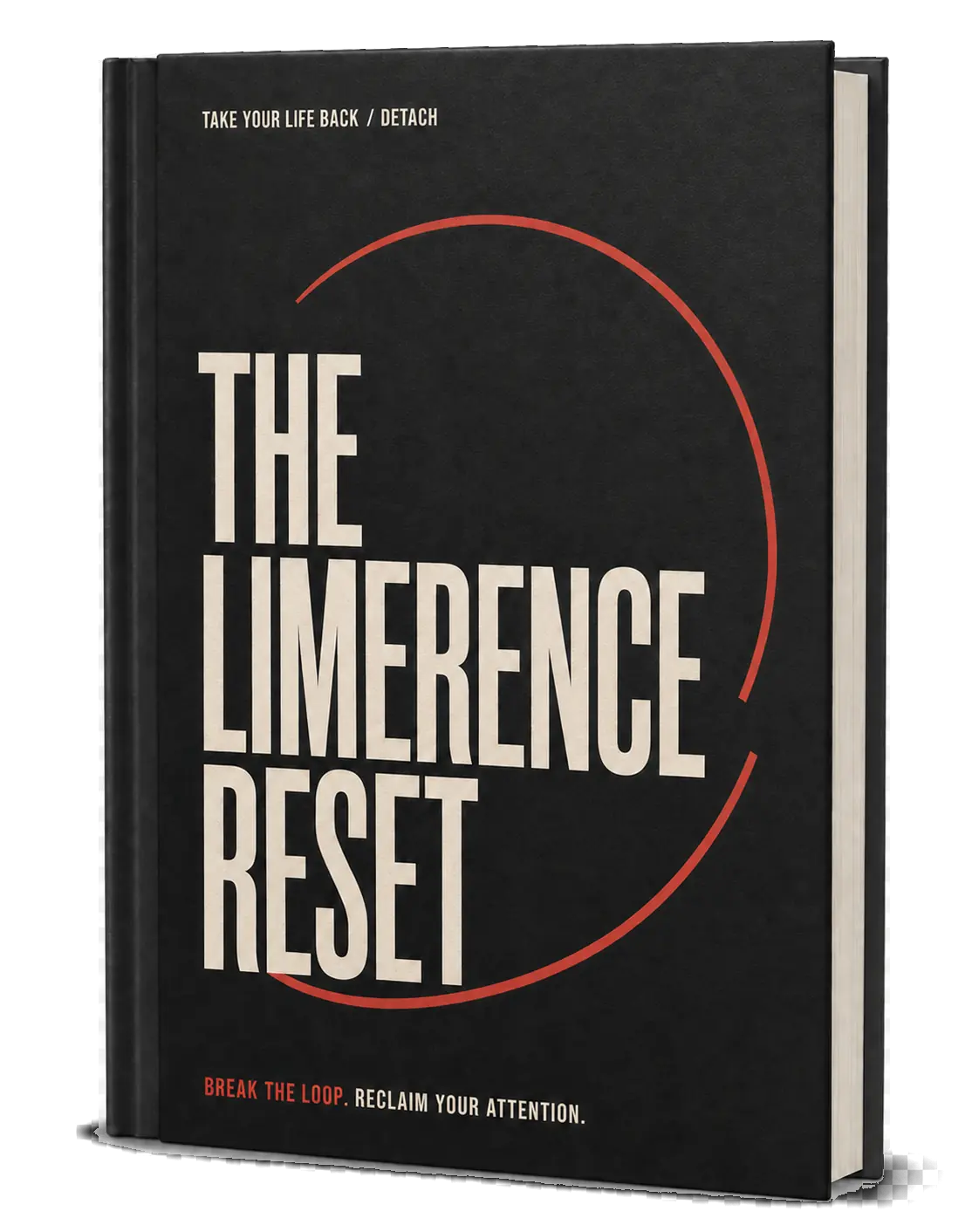
An evidence-informed resource for making sense of obsessive attachment, reducing checking and contact rituals, tolerating uncertainty and gradually returning attention to your own life.
Reading creates understanding. Practice creates new options.
A resource is most useful when it becomes part of a deliberate process. Move slowly enough to observe your own experience, and treat the exercises as experiments rather than tests of whether you are “good” or “bad” at change.
01
Read for recognition
Identify the descriptions that closely match your experience. Do not force every concept to fit.
02
Observe the sequence
Notice the situations, thoughts, emotions and immediate consequences surrounding the pattern.
03
Practice one change
Choose a specific response or environmental adjustment and repeat it long enough to evaluate it fairly.
04
Review without shame
Use setbacks as information about the plan, the context or the support you may need next.
WHEN TO SEEK PROFESSIONAL CARE
A self-guided resource has limits. Recognizing those limits is part of responsible self-care.
Consider speaking with a qualified professional when distress is persistent, causes significant impairment, is connected to trauma, involves substance use, or continues despite repeated self-directed efforts.
Symptoms interfere substantially with sleep, work, study or relationships.
You feel unable to control behavior despite serious consequences.
Your emotional state is deteriorating or becoming difficult to manage safely.
You are experiencing thoughts of self-harm, suicide or harm to another person.
If there is immediate danger, contact local emergency services or an appropriate crisis service now. Do not rely on a website or digital resource in an emergency.
A MORE INFORMED FIRST STEP
Understanding does not complete the work. It can make the work possible.